
How to Choose Your Size Online: Measuring and Size Charts
October 29, 2026
The reliable way to choose your size online is to compare numbers, not labels: measure your body (bust, waist, hips and inseam), measure a garment that already fits you, and check both against the centimeter size chart on the product page. Ten minutes of measuring, once, prevents most too-tight, too-loose and too-short surprises. Below: measuring, reading charts, why sizes vary, in-between sizes, and specifics for dresses, pajamas, leggings and shoes, plus a checklist.
How to Measure Yourself: Bust, Waist, Hips and Inseam
Use a soft sewing tape, a mirror and, ideally, a friend for the back. Measure in thin underwear, standing straight and breathing normally. The tape should lie flat without squeezing: one finger should slide under it easily. Record everything in centimeters.
- Bust: around the fullest part of your chest, tape level across your back. Wear your everyday bra.
- Waist: the narrowest part of your torso, usually a few centimeters above the navel. Bend slightly sideways; the crease is your natural waist. Do not suck in.
- Hips: feet together, around the widest part of your hips and seat. Check in a side mirror that the tape stays level.
- Inseam: crotch to ankle bone along the inner leg. Easiest on trousers whose length is perfect for you, from crotch seam to hem.
Also note your height and preferred dress length from the shoulder. Save it all on your phone and re-measure after pregnancy or a weight change.
How to Read a Size Chart in Centimeters
Every product page on our site has a size chart in centimeters. Before comparing, check what the numbers represent.
Body measurements or garment measurements?
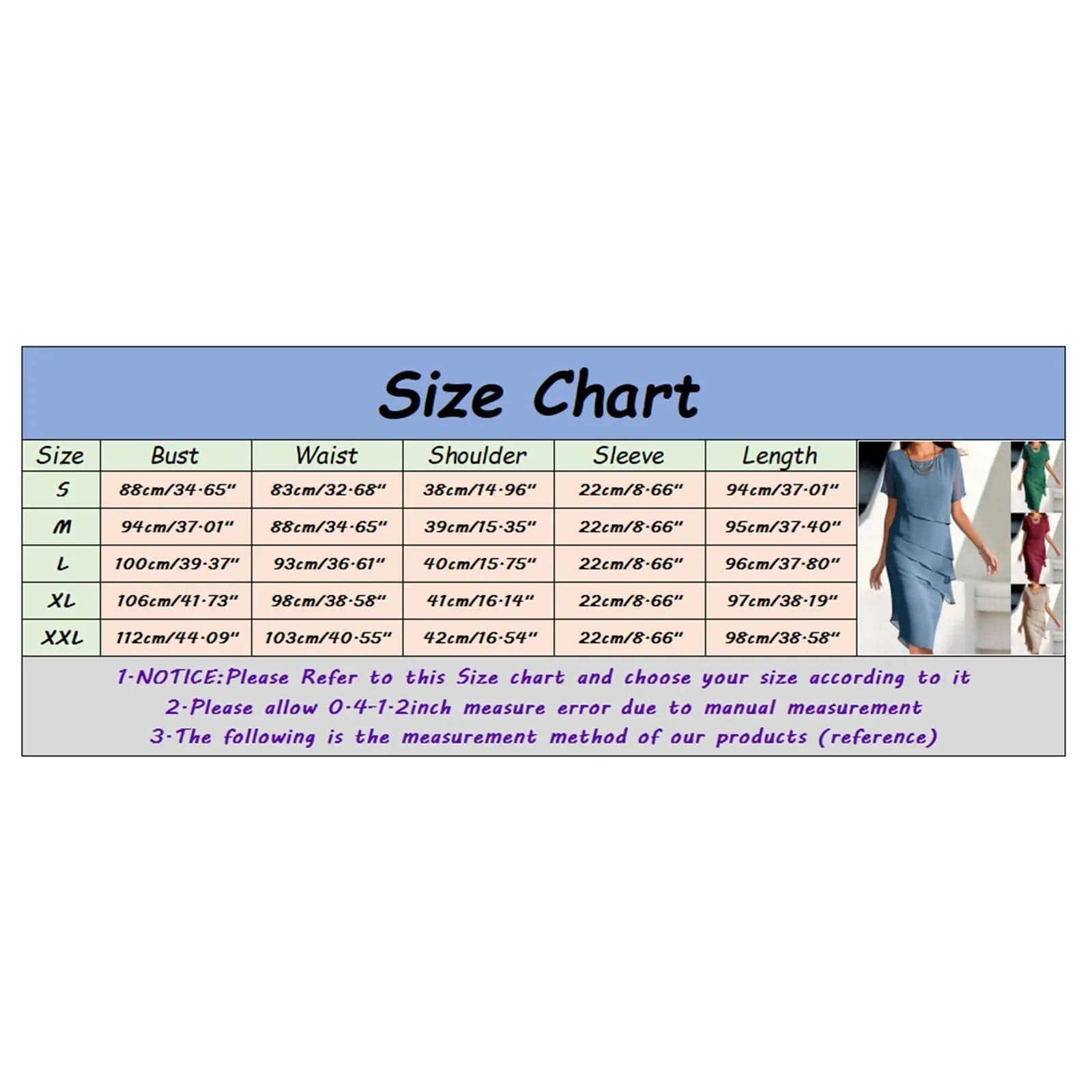
A body chart lists the bust, waist and hips the item is designed for, so you just find your row. A garment chart lists the item's own dimensions, so leave room: in non-stretch woven fabrics such as chiffon, satin or linen, the garment's bust should be roughly 5 to 8 cm larger than yours. In a stretchy knit, it can match your body or be slightly smaller.
Width or circumference?
Flat measurements are widths, half the circumference. "Bust 46" almost always means armpit to armpit, so 92 cm around. If a number looks suspiciously small, that is why. For inches, multiply by 2.54.
Which columns matter
Bust and shoulders for tops and fitted dresses, waist and hips for skirts and trousers, and length compared with something you own. Garments are measured by hand, so a centimeter or two of difference is normal.
Why Sizes Differ Between Makers, and Why Imports Run Small
There is no binding size standard. Each manufacturer drafts patterns on its own reference body, so one factory's M is another's S or L. Much of the fashion sold in Israel is made in East Asia and cut for a smaller frame, with narrower shoulders, slimmer hips and shorter lengths. So a piece labeled L can fit like an M, and sleeves or trousers end early. The label tells you little; the centimeters tell you almost everything.
Compare with a garment you already own
Pick something of the same type and similar fabric that fits the way you like. Lay it flat, measure armpit to armpit, waist, hips and shoulder-to-hem length, double the widths and compare. If your favorite dress is 94 cm at the bust and the new M is 88 cm, it will fit closer; if the fabric does not stretch, size up.
Check stretch and length
Read the fabric composition. Without elastane (woven polyester, chiffon, satin) there is no give. A few percent elastane adds gentle stretch, while rib knit and leggings fabric stretch a lot. Check length too: over about 170 cm tall, a mini may run short; under 160 cm, a maxi may drag.
What to Do When You Are Between Sizes
- No-stretch fabric: size up. A tailor or a belt can take it in, but nobody can add fabric that is not there.
- Stretch fabric: the smaller size gives a sculpted fit; the larger gives all-day comfort.
- Prioritize the critical measurement: bust for a fitted or strapless dress, bust and waist for an A-line dress, hips for trousers and skirts.
- Read the fit notes: oversized items are already roomy, so you can size down. Do not size down on fitted styles.
- Still unsure? Send us your measurements on WhatsApp and we will help you choose before you order.
Choosing Your Size for Dresses, Pajamas and Leggings
Dresses: bust, waist and length
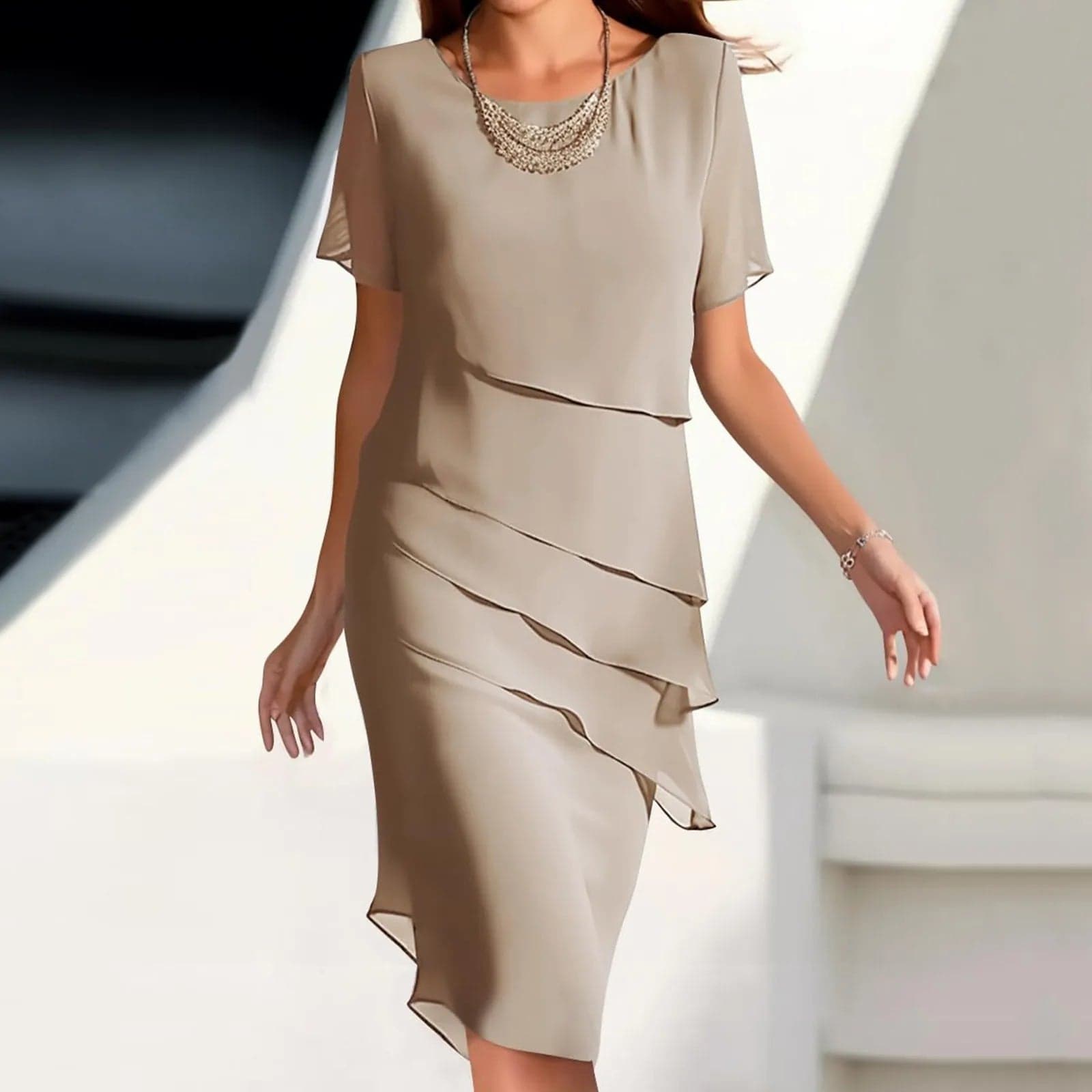
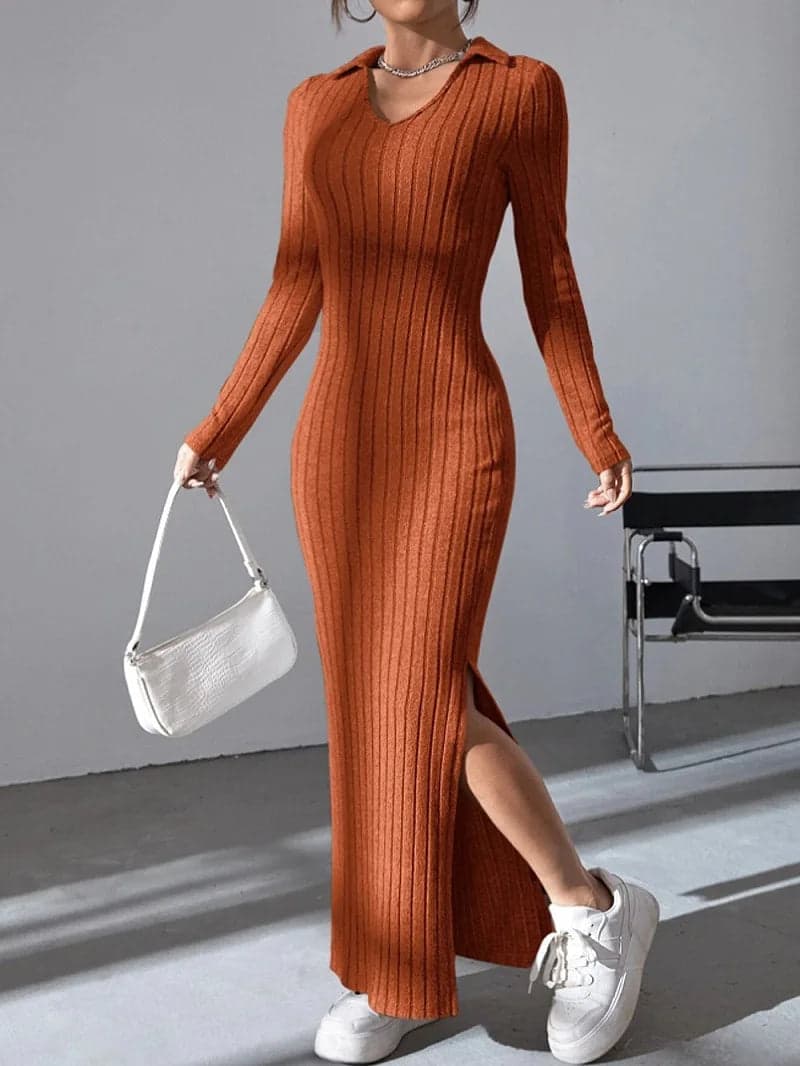
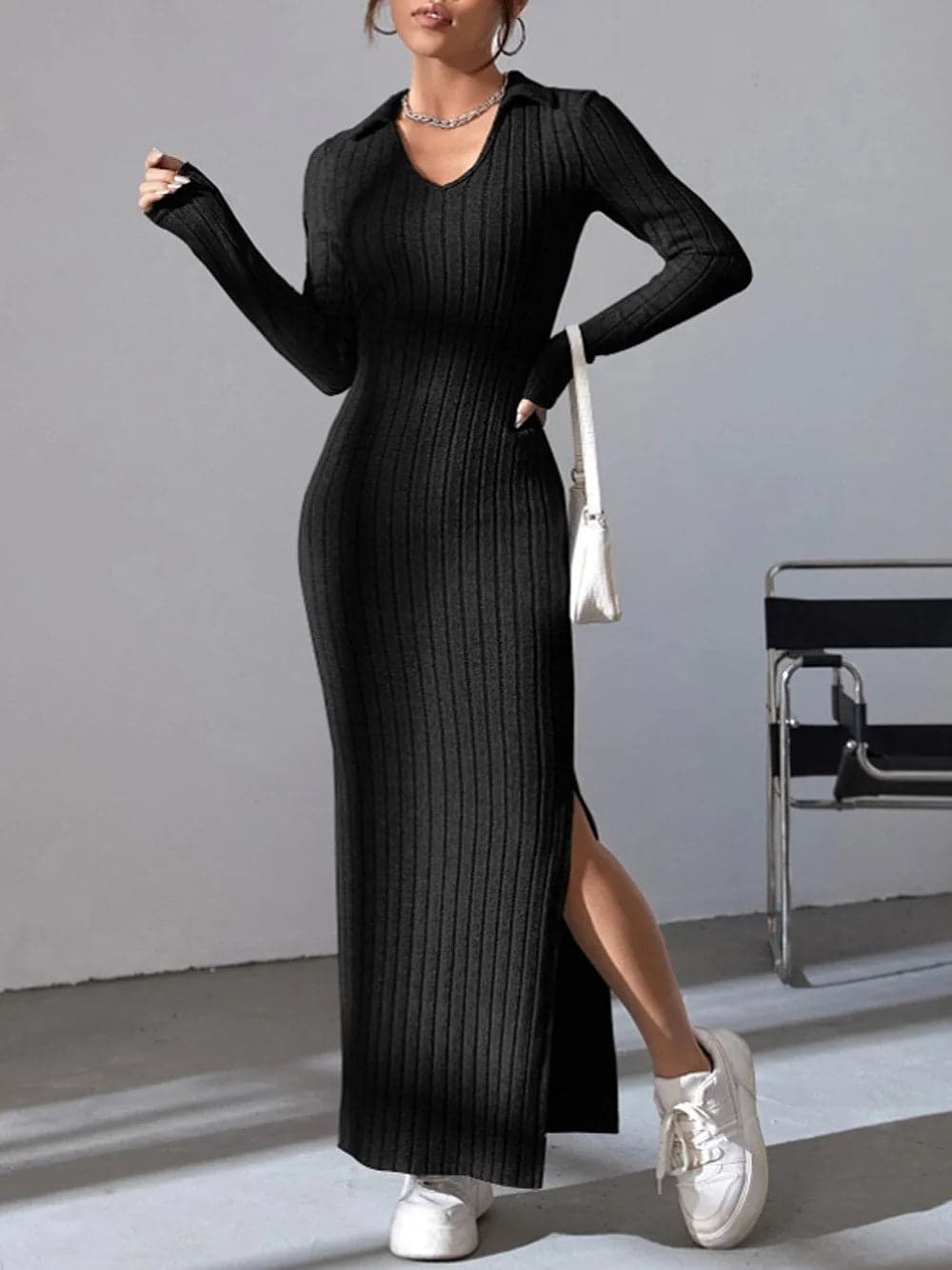
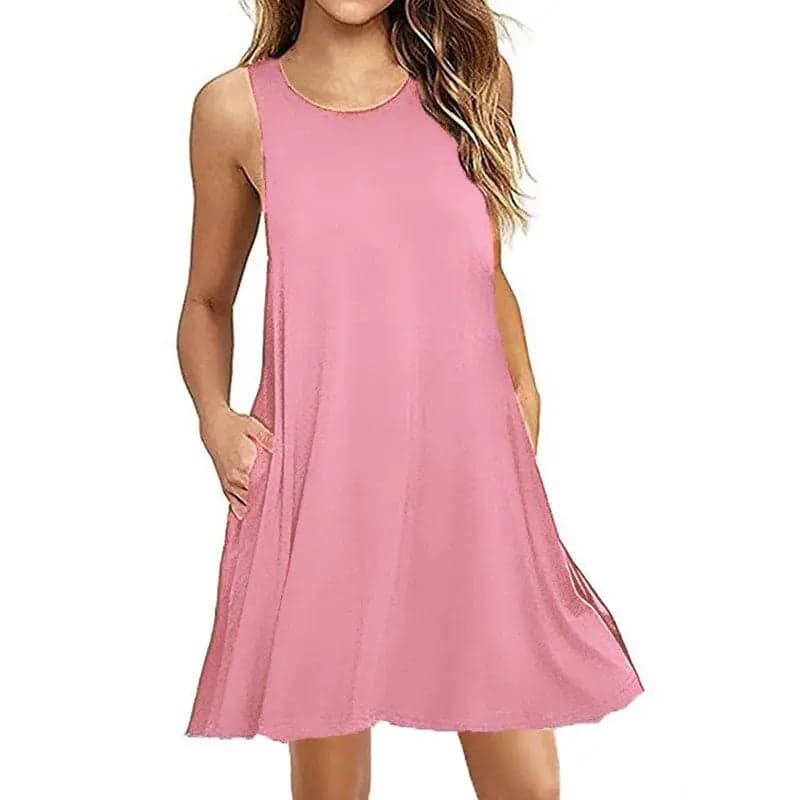
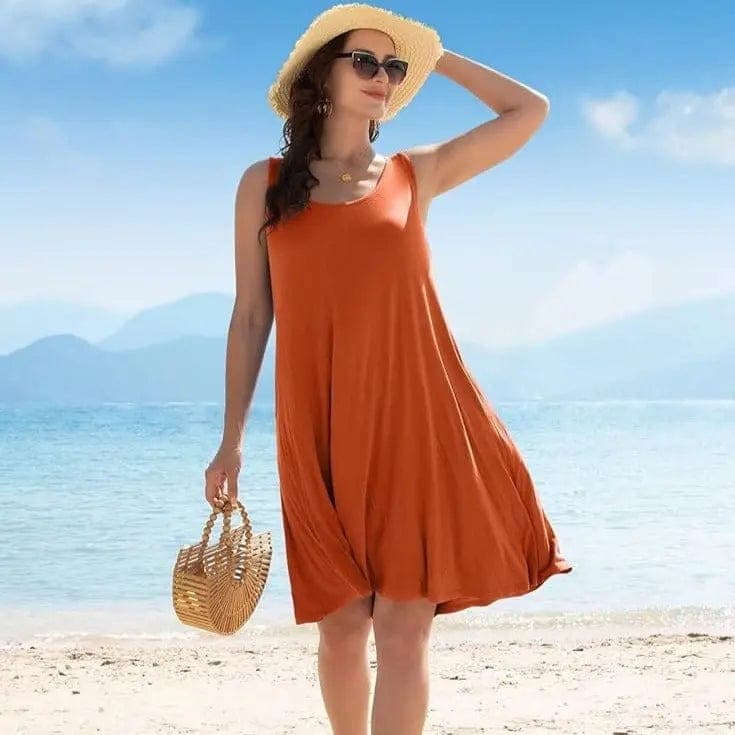
A dress has to fit everywhere at once. A ribbed knit bodycon dress stretches and forgives a size that is slightly off. A chiffon or woven dress with a defined waist does not: its waist must match yours, or it will pinch or sit low. A T-shirt or swing dress is roomy, so check the length. For a summer wedding with hours of sitting and dancing, leave a little room at the waist. For cut advice, read our guide to choosing a dress by body shape and neckline, or browse the dress collection.
Pajamas: comfort comes first
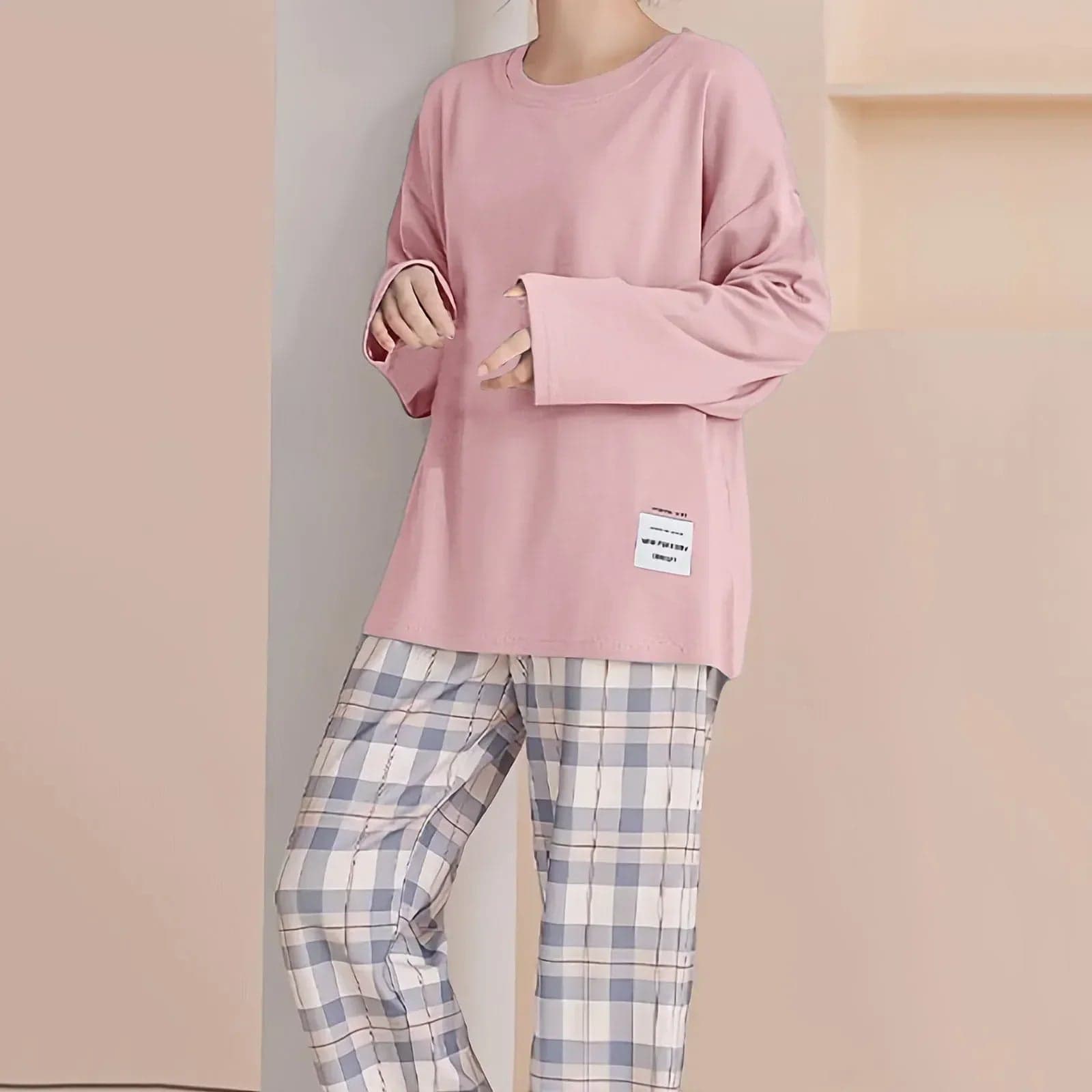
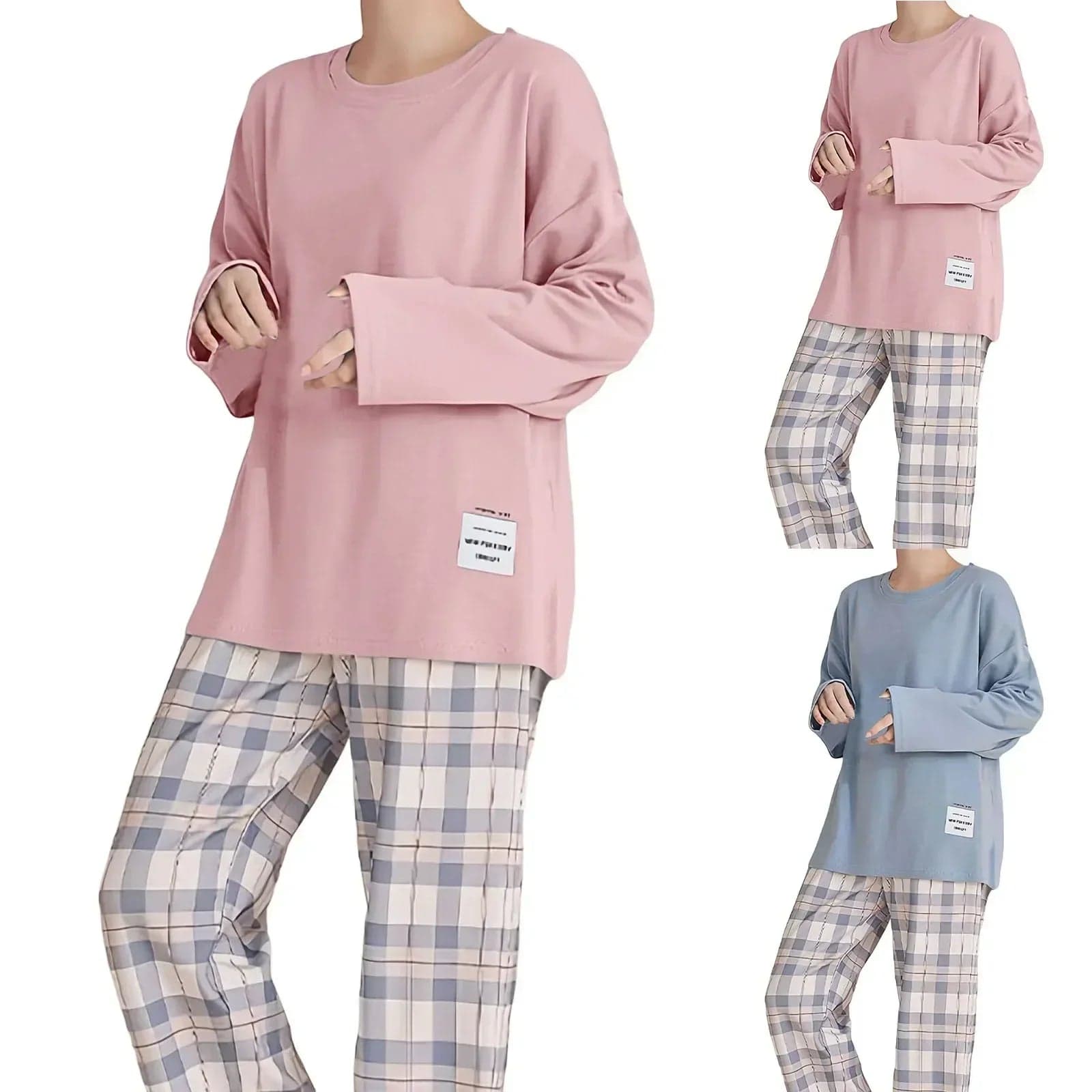
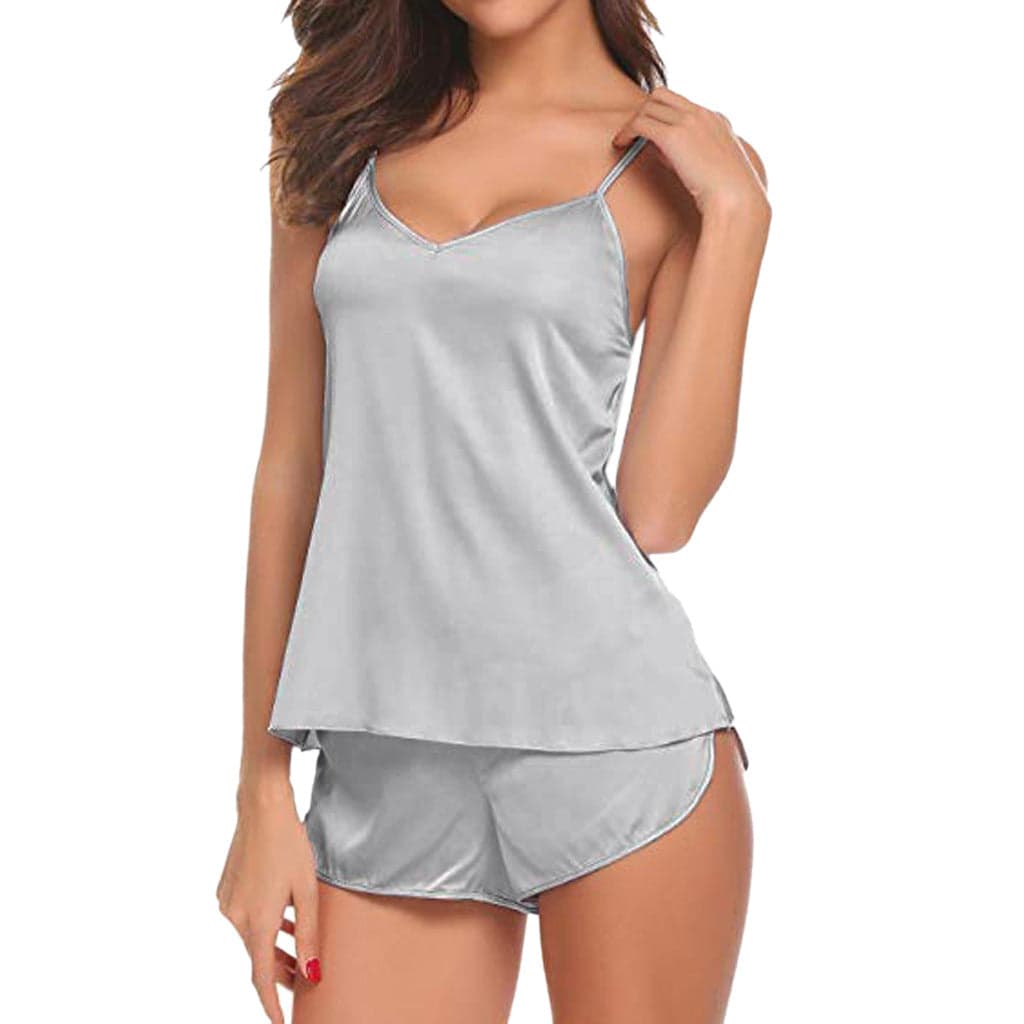
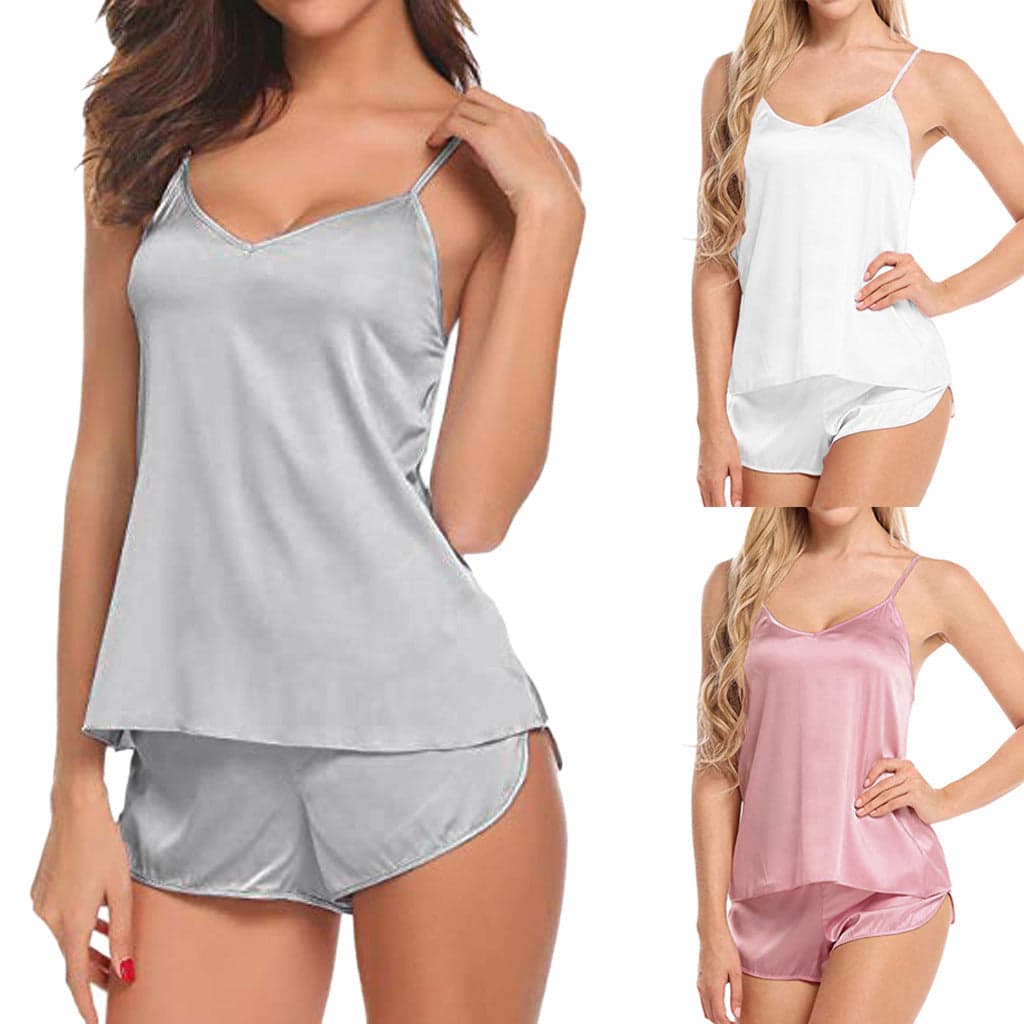
Pajamas should never be tight, so between sizes, size up. Check hips and trouser length; long bottoms that stop mid-calf feel wrong from the first night. Satin has no stretch, so leave room at the bust and hips. Thick fleece sets need room to move, and cotton can shrink slightly in a hot wash, so wash it cold. More in our pajamas and loungewear guide.
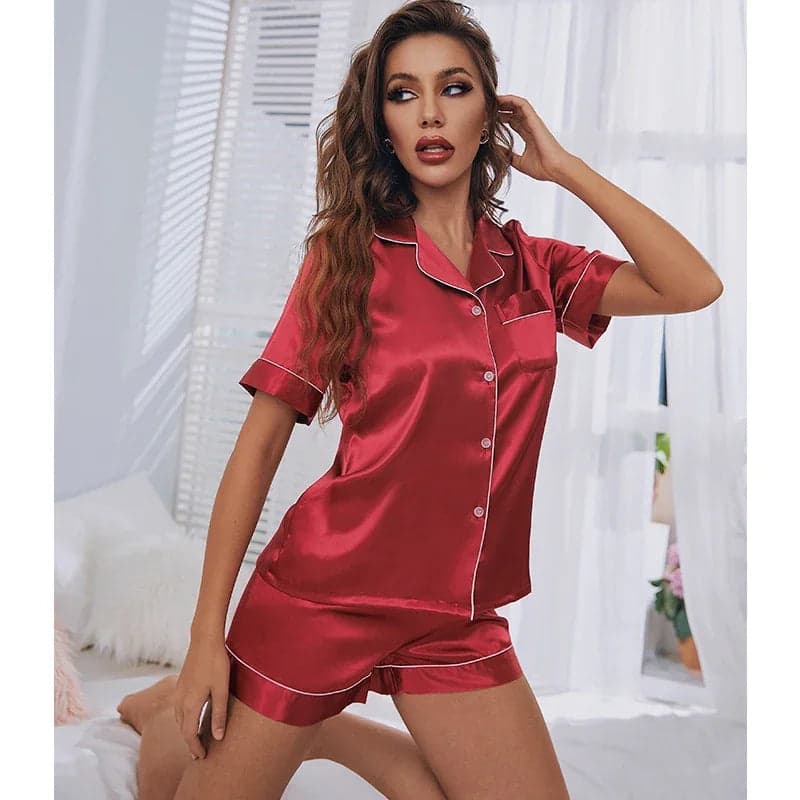
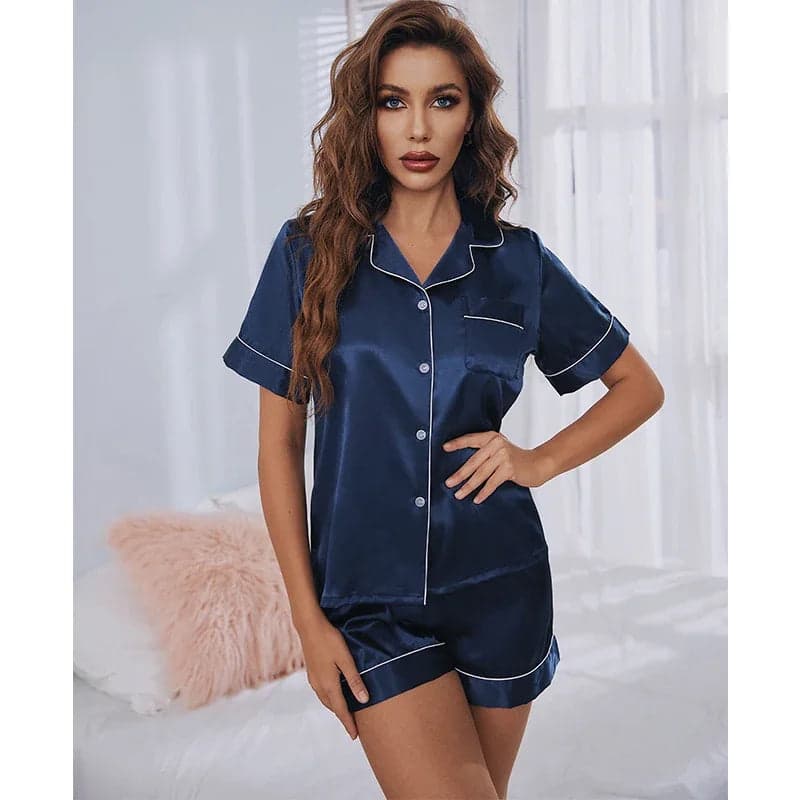
Leggings: waist, hips and length
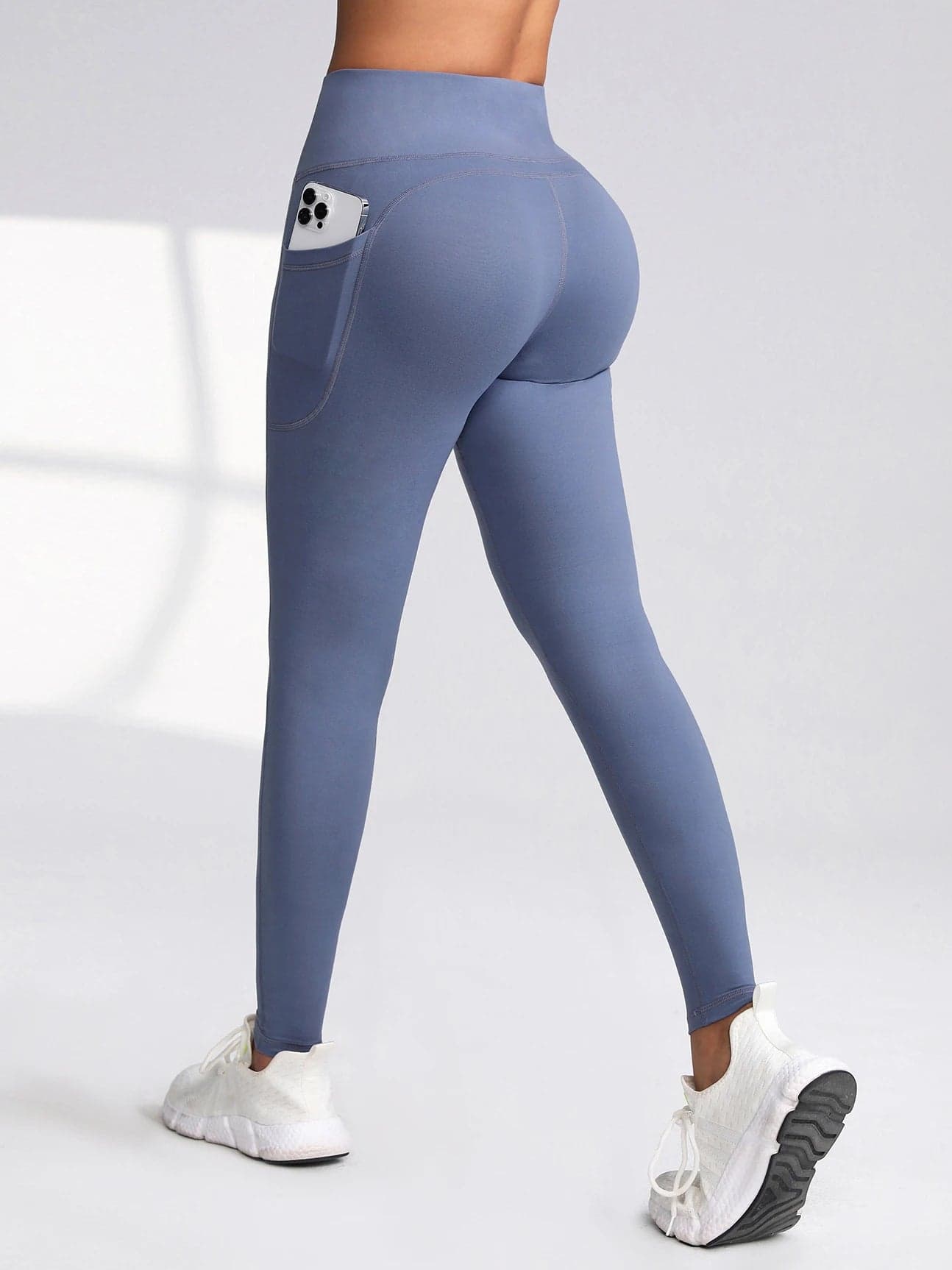
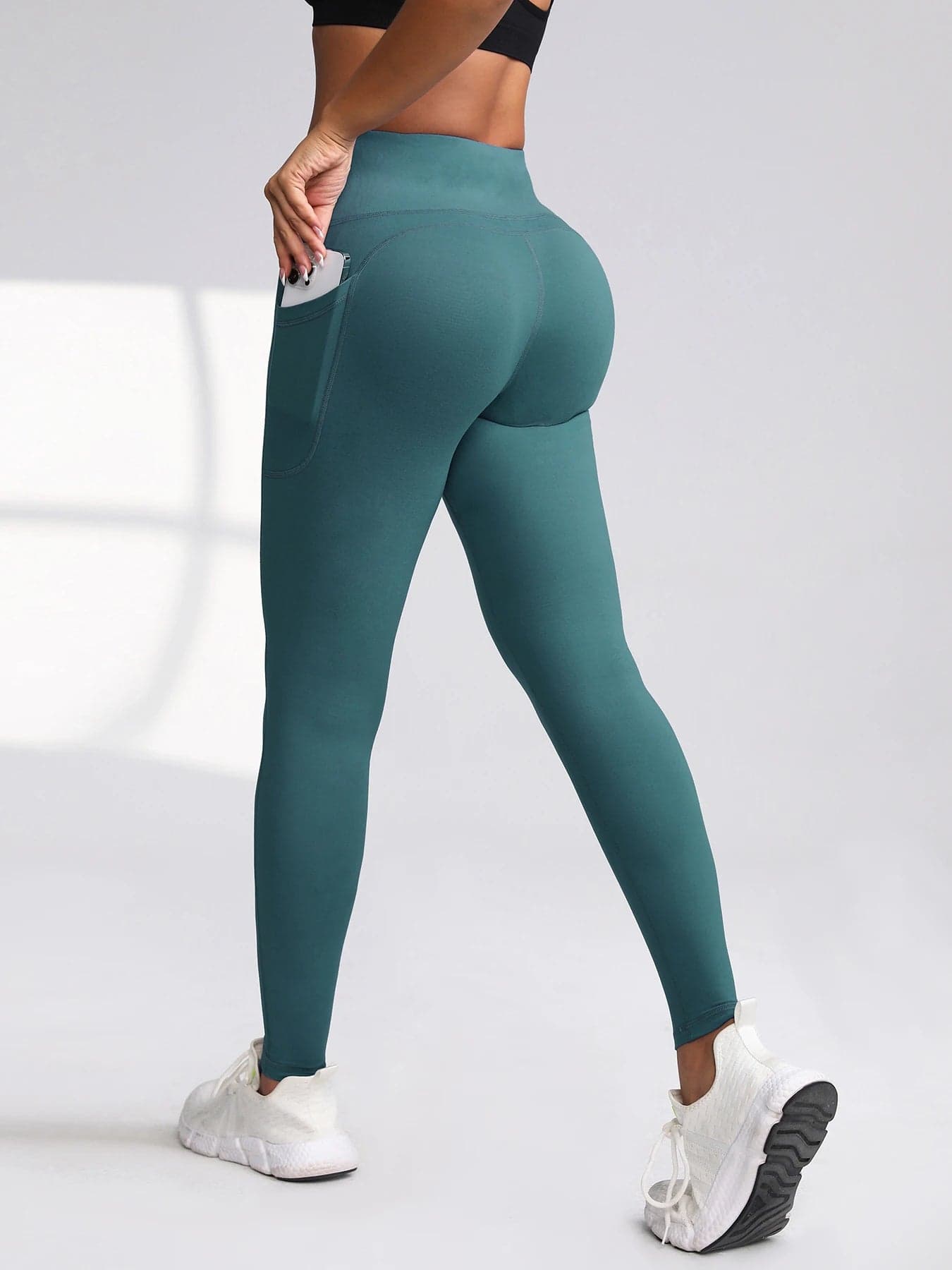
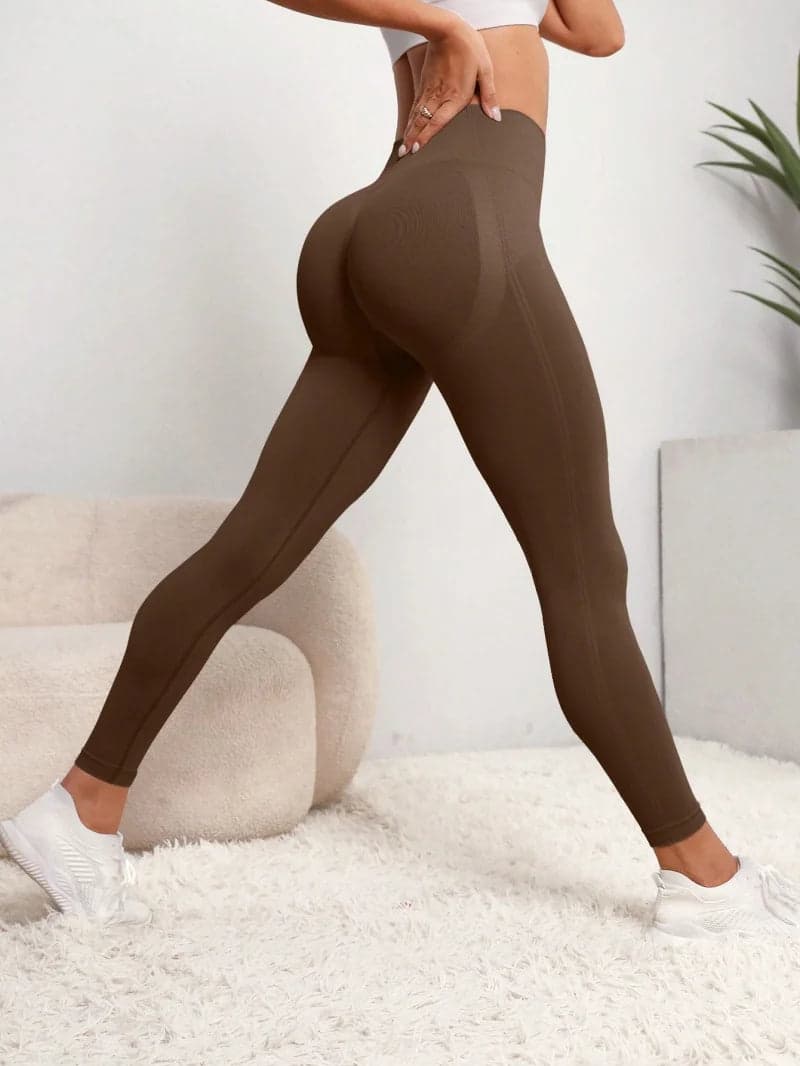
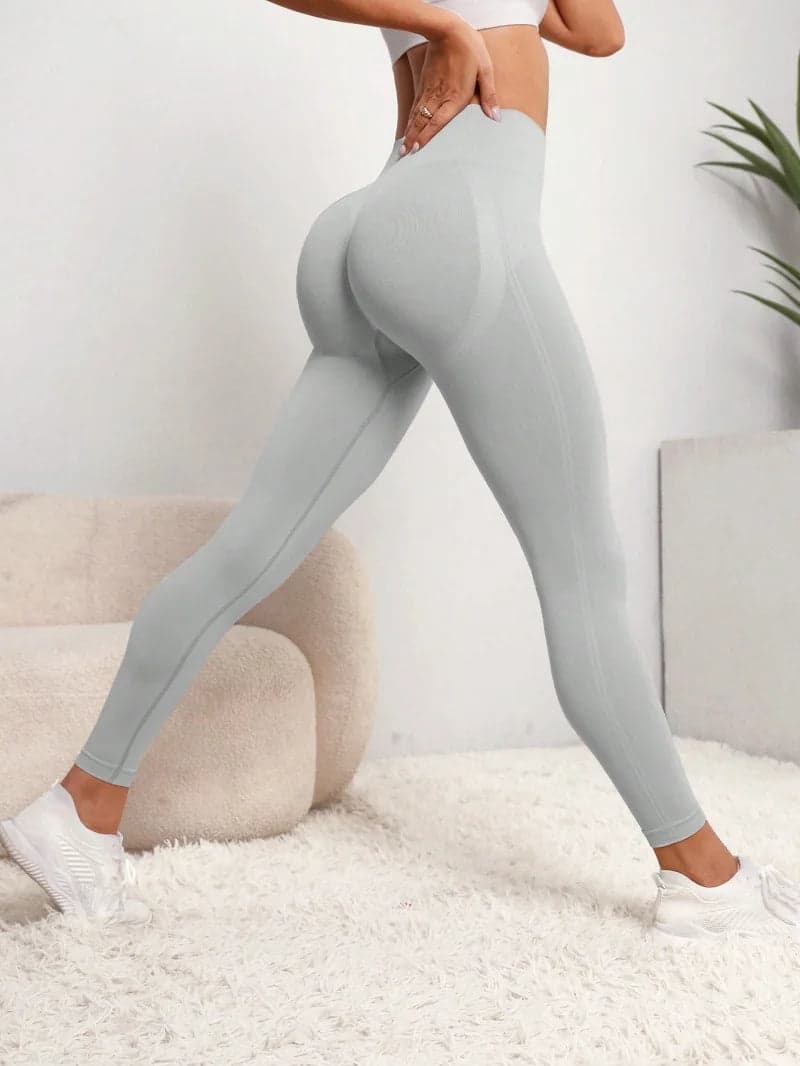
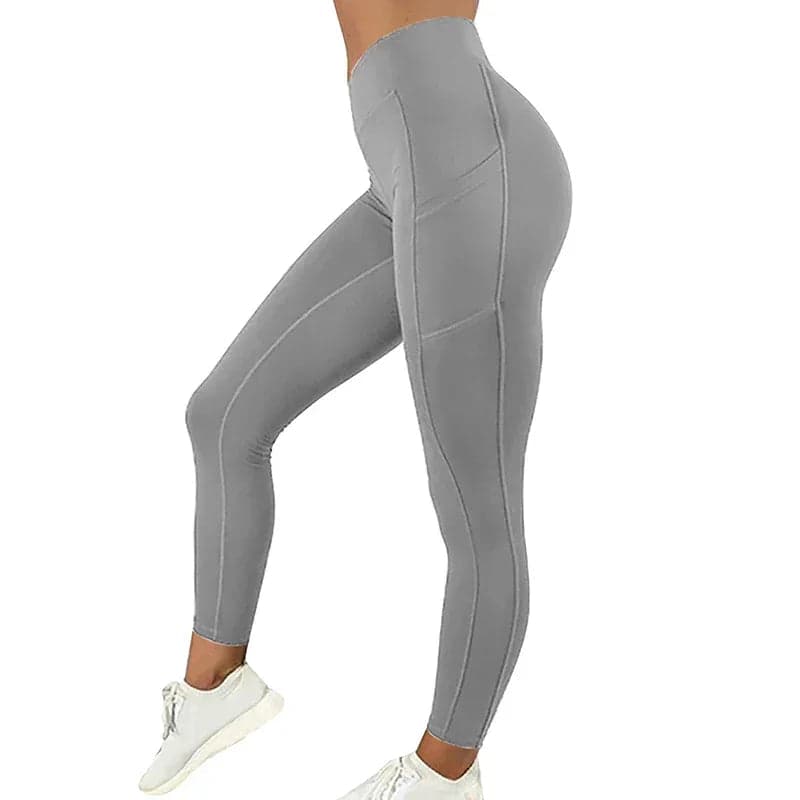
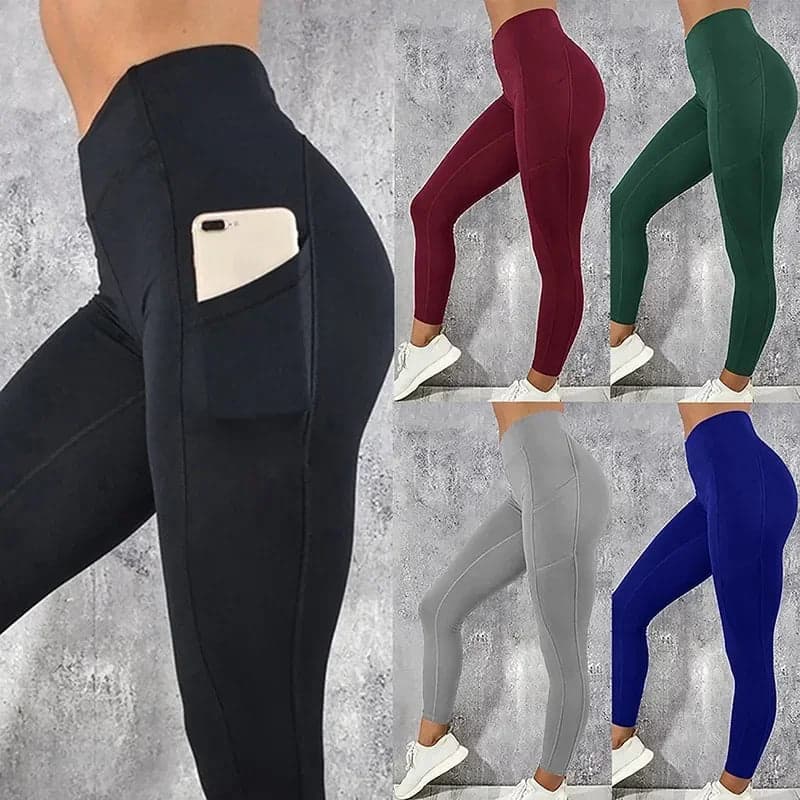
Leggings charts can look alarming, such as a 64 cm waist for an M, because the fabric is built to stretch. Your waist and hips decide, not your bust. Too small and they roll at the waistband or turn see-through when you bend; too big and they slide down mid-workout. Between sizes, take the larger for long workdays and the smaller for training support. Taller than about 168 cm? Full-length styles cut for a petite frame may end above the ankle, so check the inseam. See our leggings and activewear guide and the leggings collection.
Shoe Sizes: Finding Your EU Size
Israel uses European sizes, but they still vary between makers, so work from foot length in centimeters:
- Measure in the evening, when feet are slightly swollen, especially in summer heat.
- Stand on paper with your heel against a wall and mark your longest toe.
- Measure wall to mark on both feet and use the longer one.
- Check whether the chart lists foot or insole length. For closed shoes and boots, the insole should be 0.5 to 1 cm longer than your foot.
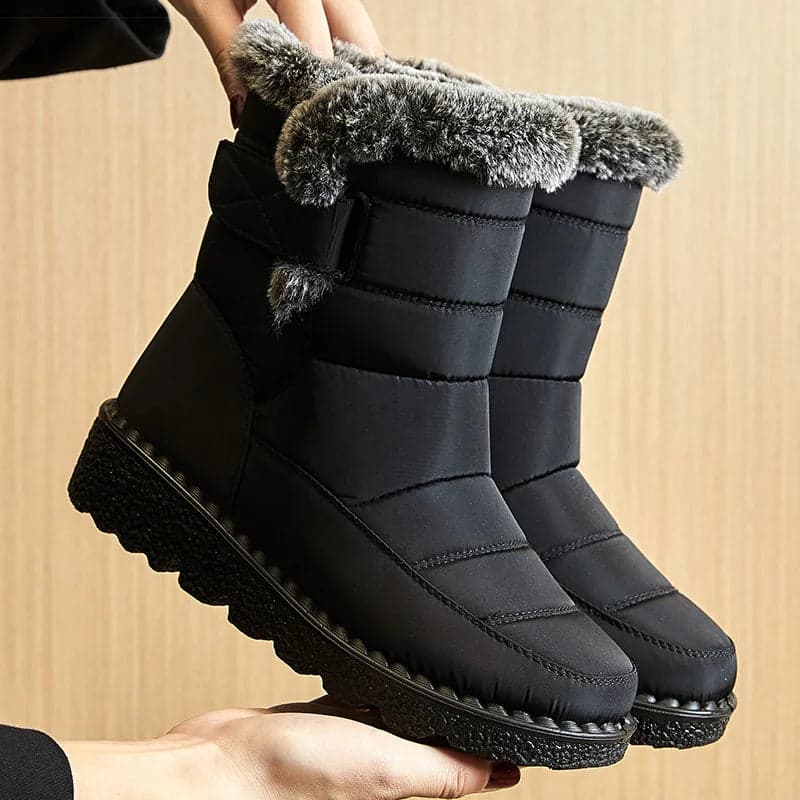
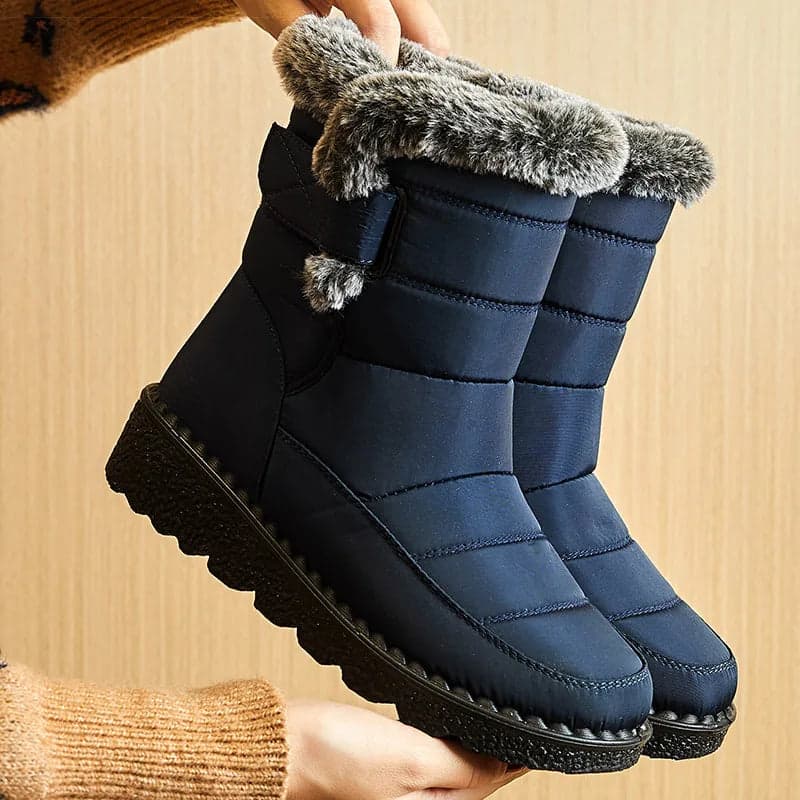
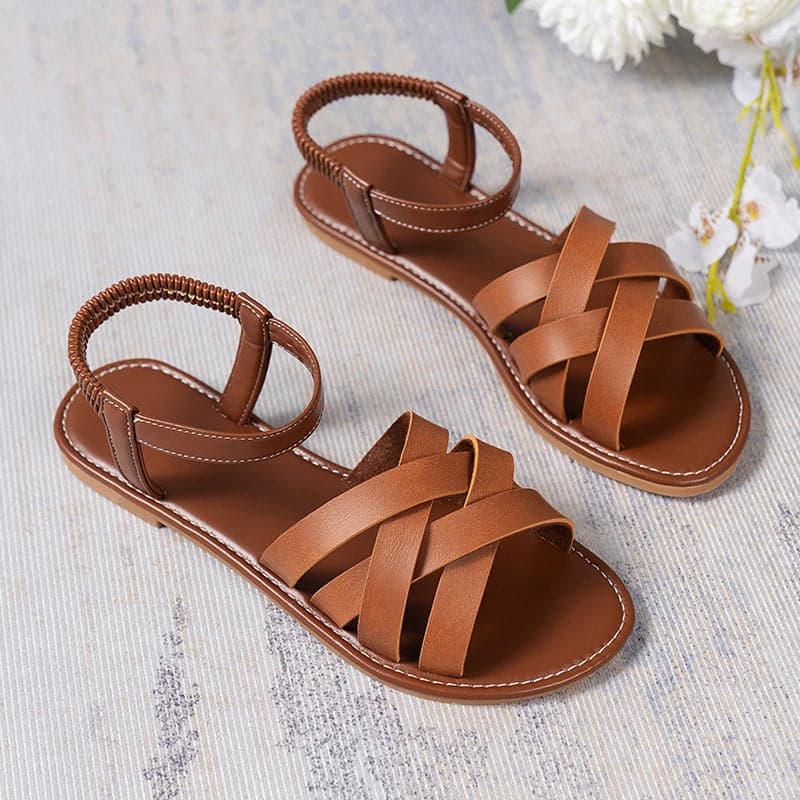
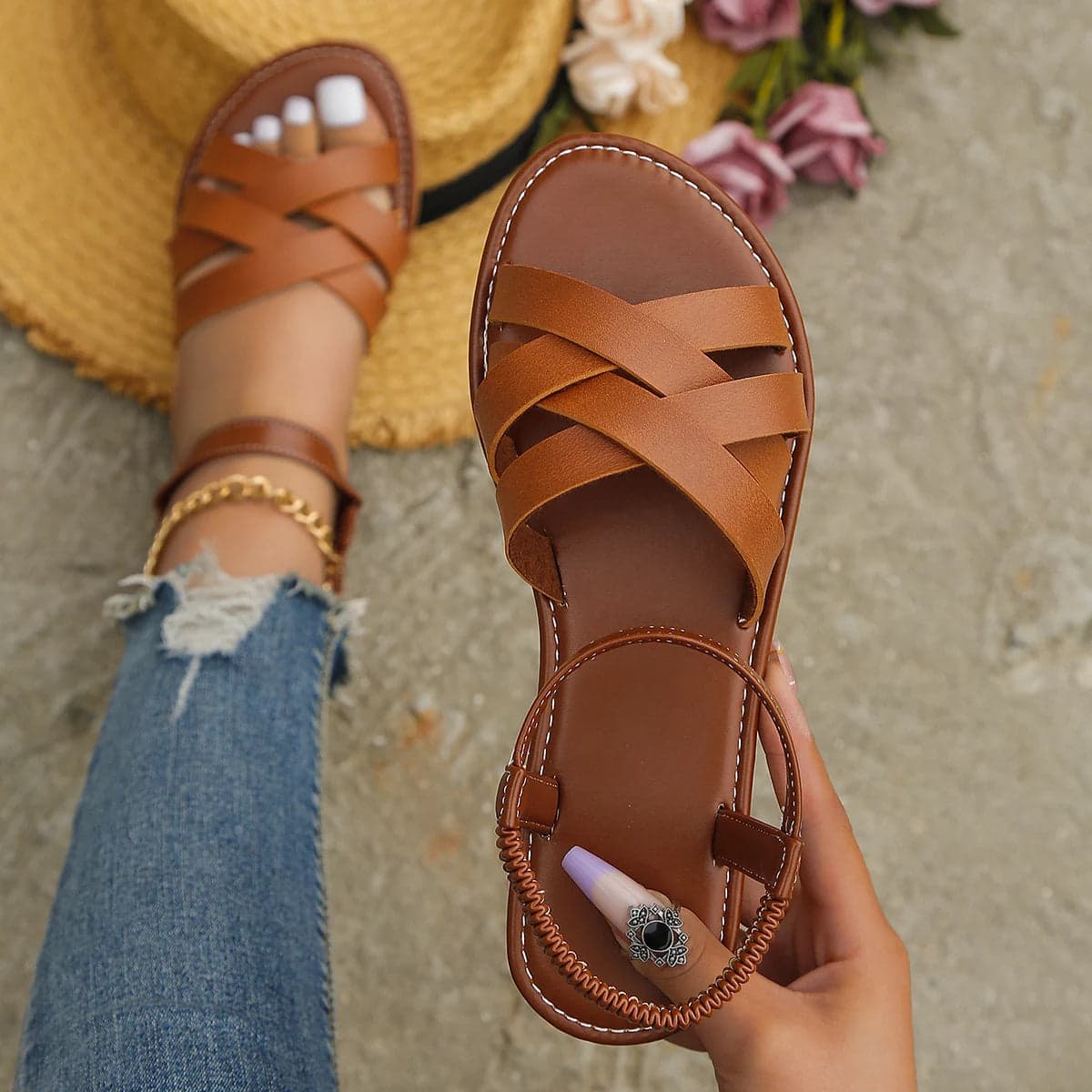
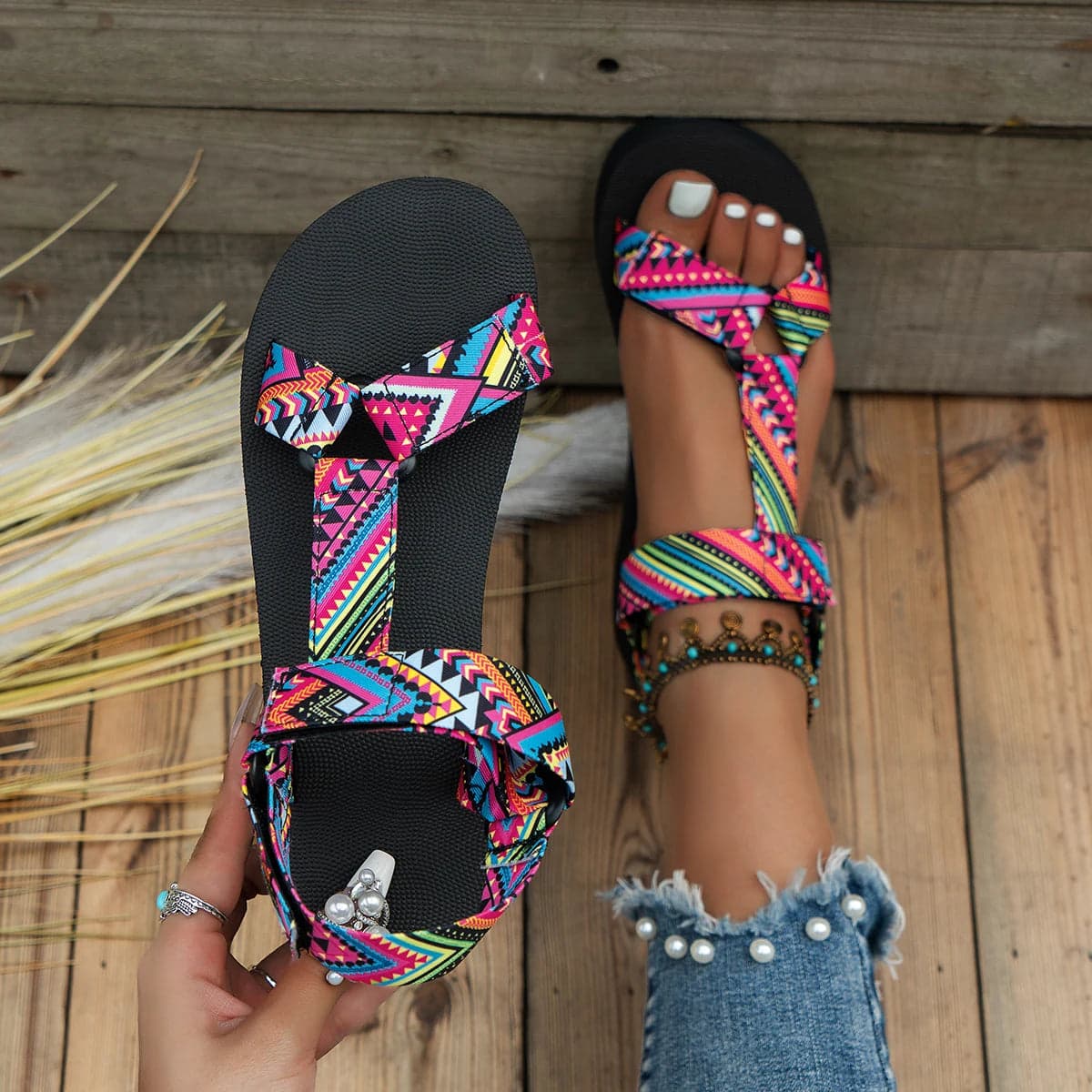
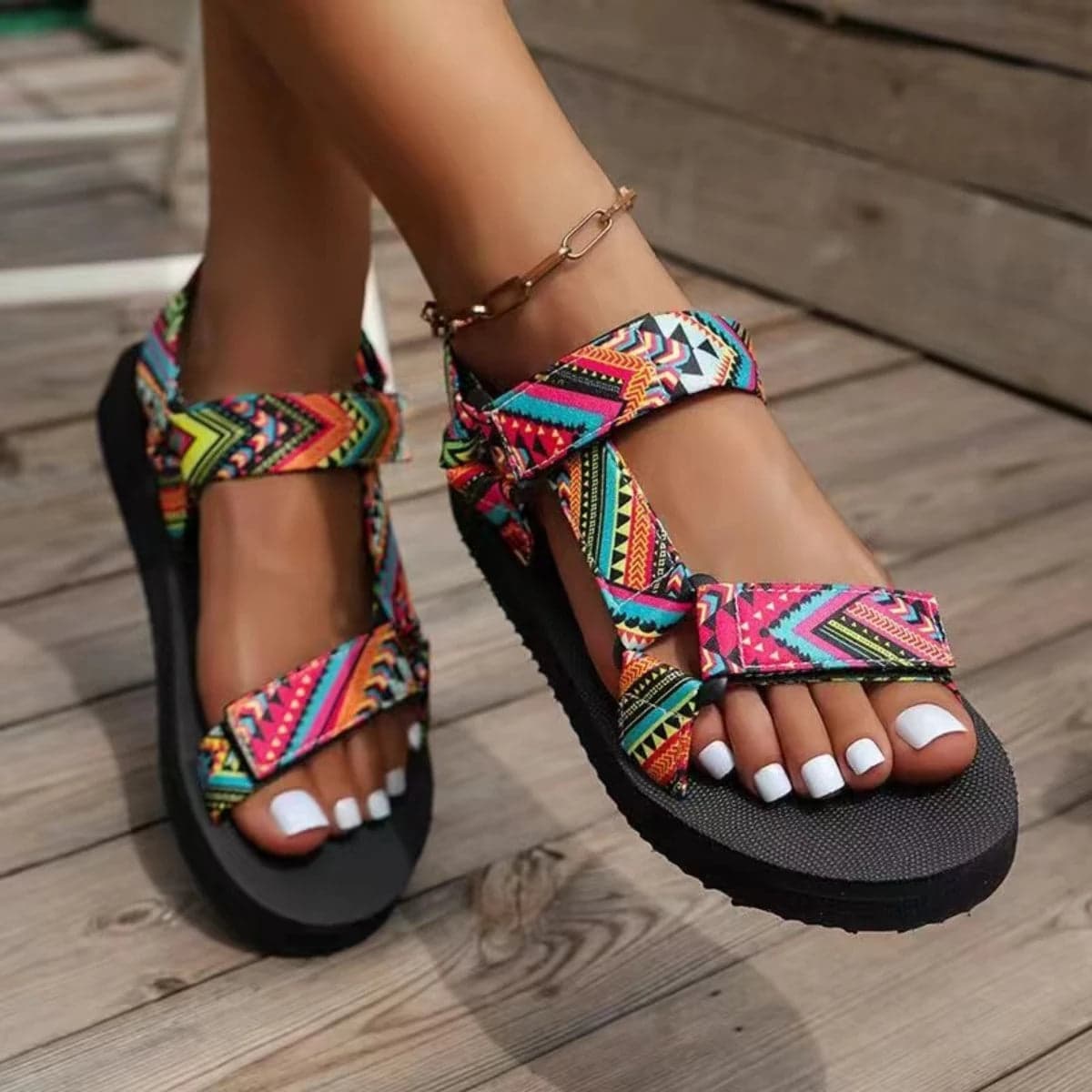
Roughly, a 23.5 cm foot is around EU 37 and a 24 cm foot around EU 38, but always use the style's own chart. Imported shoes often run small and narrow, so with wide feet or between sizes, go up. For fur-lined winter boots worn with thick socks, go up half or a full size. In sandals, your heel should not hang off the back and non-adjustable straps must fit exactly; on platforms and heels the foot slides forward, so avoid a tight fit. See our guide to sandals for weddings and vacations and the boots collection.
Checklist: How to Choose Your Size for Every Online Order
- Measure bust, waist, hips, inseam and foot length, and save the numbers.
- Measure one well-fitting garment of each type.
- On the chart, check: body or garment, width or circumference, centimeters or inches.
- Identify the critical measurement for the item.
- Read the fabric composition: does it stretch?
- Compare lengths with your height and a garment you own.
- Between sizes: up for rigid fabric and pajamas, by preference for stretch.
- Read the fit notes: oversized, regular or fitted.
- Unsure? Message us your measurements on WhatsApp first.
- When it arrives, note the size and fit for next time.
FAQ
I always wear an M. Can I just order an M?
Better not. Labels vary between makers, and an imported M sometimes fits someone who wears an S in local stores. Compare your centimeters with that item's chart.
My bust is one size and my hips another. Which do I choose?
Go by where the garment is fitted: the larger size for a fitted non-stretch dress, bust and waist for A-line, waist and hips for leggings and trousers.
I do not have a tape measure. What now?
Wrap a string around yourself, mark it and measure it with a ruler, or measure a well-fitting garment flat and double the width.
How can I tell if an item runs small?
Compare the chart with a similar garment you own and check the stretch. If the numbers are smaller and the fabric does not stretch, size up, or ask us on WhatsApp first.